FernhurstPrimary School
Rock Detectives
This half‑term, Year 3 have been busy investigating the fascinating world beneath our feet as part of their science topic on rocks. The children have loved becoming “rock detectives,” using their observation skills to explore different types of rocks and what makes each one unique.
We began by examining a range of rock samples, looking closely at their appearance, texture, and hardness. The class compared smooth, shiny rocks with rough, grainy ones and discussed how these properties can give clues about how each rock was formed.
The children learned about the three main rock types — igneous, sedimentary, and metamorphic — and used real examples to help them understand the differences. They were especially fascinated to discover that some rocks form from cooled lava, while others are created from layers of sediment built up over millions of years.
We also carried out simple tests to investigate permeability and durability, predicting which rocks would let water pass through and which would be the strongest. After recording their results, the children used a branching database to identify each rock accurately.
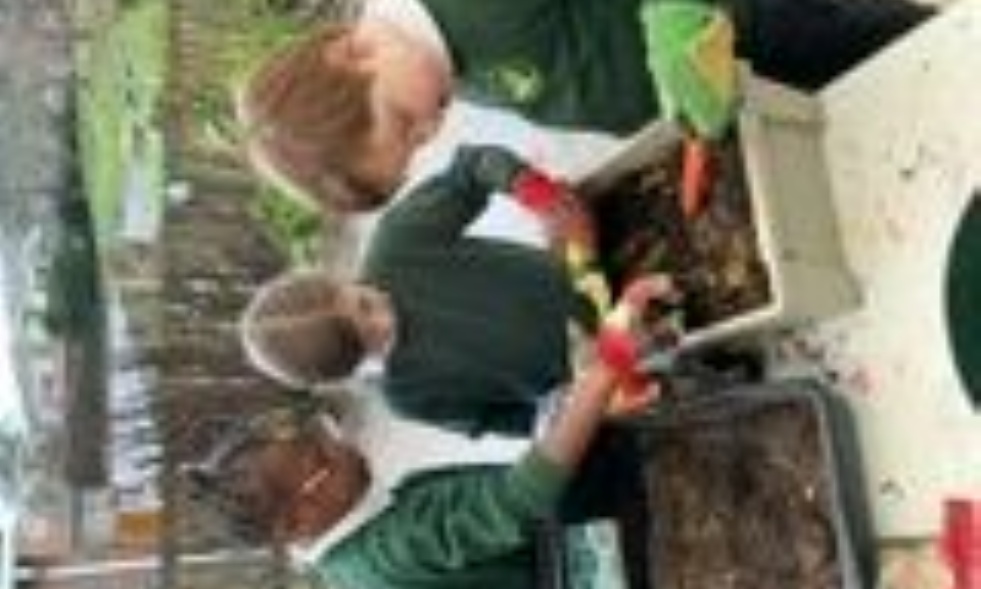
We continued our learning by collecting soil samples from around the school grounds. Using magnifying glasses, the children examined what could be seen in each sample and explored how tiny pieces of rock, organic matter, and living things all contribute to the formation of soil.
Our learning then moved on to fossils. To understand how fossils are formed, we sped up 200 million years of geological processes using plasticine, a dinosaur‑shaped bath bomb, and a flour‑based “sediment” mixture. The children created their own fossil impressions and carefully buried them. We’ll be checking after half‑term to see how our “fossils” have turned out.
Finally, to deepen our understanding of the ground beneath our feet, we excavated a test box, carefully removing each layer of soil and rock. As we uncovered each strata, the children made detailed notes about what they found and discussed how the layers can reveal the history of the land.
Year 3 have shown brilliant curiosity and scientific thinking throughout this topic. Their enthusiasm has made our rock investigations truly exciting.